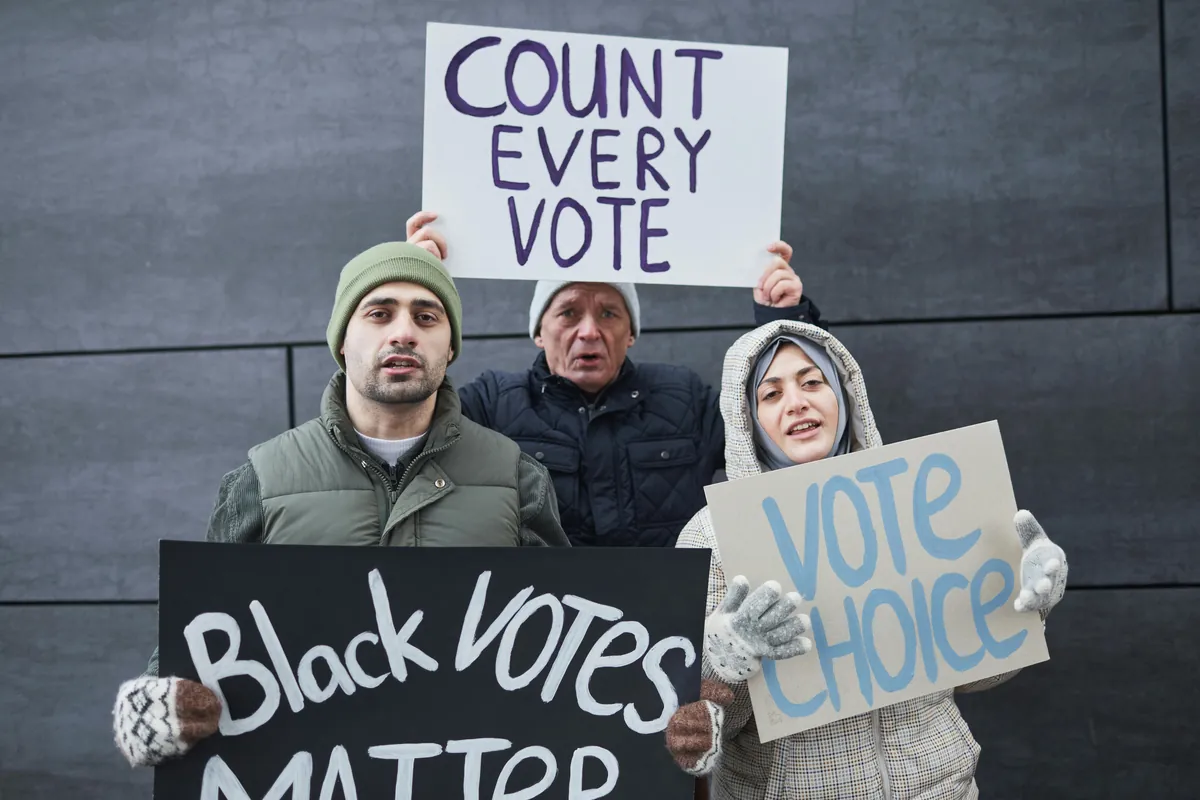
As the world becomes increasingly interconnected, technology continues to transform all aspects of society, including politics. From enhancing transparency to enabling more direct citizen participation, the best new tech is redefining how democracy functions in the 21st century. This article explores the cutting-edge innovations driving political change, the challenges they present, and how they may shape governance and civic engagement in the coming years.
Understanding the Role of Technology in Modern Politics
Technology has always influenced politics—from the printing press enabling widespread dissemination of political pamphlets to radio and television shaping public opinion in the 20th century. Today, digital technologies offer unprecedented opportunities and challenges.
Politicians and governments now leverage data analytics, social media platforms, and artificial intelligence (AI) to communicate more effectively, target messages, and analyze public sentiment. Meanwhile, citizens have access to new tools for activism, organizing, and monitoring government actions. These developments raise important questions about privacy, misinformation, and the balance of power between states and individuals.
The Best New Tech Transforming Political Engagement
Blockchain for Transparent and Secure Voting
Blockchain technology is gaining attention as a potential solution to improving election security and transparency. Its decentralized and tamper-resistant nature makes it ideal for creating verifiable voting systems that reduce fraud and increase public trust.
Several pilot projects worldwide have tested blockchain-based voting platforms. For example, in 2020, Utah County in the United States allowed overseas military voters to cast ballots using a blockchain mobile app, marking a landmark experiment. Similarly, countries like Estonia have pioneered e-governance and digital identity systems backed by blockchain, streamlining voting and public services.
While blockchain voting is not yet broadly adopted, many experts believe it represents one of the most promising advancements for ensuring election integrity in the digital age.
Artificial Intelligence Enhancing Policy Analysis and Communication
AI is increasingly used by policymakers and political organizations to analyze vast datasets, identify trends, and predict policy outcomes. Advanced machine learning algorithms can sift through social media feeds, news, and governmental records to gauge public opinion and sentiment in real time.
For example, AI-driven tools enable legislators to better understand constituent needs and tailor policies accordingly. Chatbots powered by natural language processing can also engage voters, answer queries, and provide information on candidates and platforms 24/7.
However, AI also presents risks, including the potential for deepfakes, algorithmic bias, and manipulation of public discourse. Responsible development and ethical oversight are critical as AI becomes embedded in political processes.
Social Media and Digital Platforms: Double-Edged Swords
Social media platforms rank among the best new tech tools reshaping politics by allowing direct, rapid communication between politicians and the public. During election campaigns, platforms like Twitter, Facebook, and TikTok have become essential for mobilizing supporters and disseminating messages.
But these platforms also contribute to polarization, misinformation, and foreign interference in democratic processes. Algorithms that prioritize engagement may amplify sensationalist or false content, undermining informed political debate. As a result, governments and tech companies face mounting pressure to regulate social media while respecting free speech.
Emerging Technologies with Potential Political Impact
Augmented Reality (AR) and Virtual Reality (VR) for Civic Education
AR and VR technologies are offering immersive ways to educate citizens about political processes and encourage engagement. Virtual town halls, simulations of legislative debates, and interactive history lessons can make politics more accessible, especially for younger generations.
By experiencing different perspectives in a virtual environment, users may develop deeper understanding and empathy, leading to more informed and active participation. Although still in early stages, these tools hold promise for revitalizing civic education worldwide.
Big Data Analytics for Campaign Strategy and Governance
The use of big data has transformed how political campaigns target demographics and allocate resources. By analyzing voter behavior, economic indicators, and social trends, campaigns can craft personalized messages and optimize outreach efforts.
Governments also use data analytics to improve service delivery, monitor public health, and anticipate societal needs, fostering more responsive governance. Yet, concerns over data privacy and surveillance persist, calling for transparent policies and safeguards.
Challenges and Ethical Considerations in Political Tech
While the best new tech offers tremendous benefits, it also presents complex challenges that political leaders, citizens, and technologists must navigate carefully. Politico politics and policy
- Privacy and Data Security: Collecting and processing large amounts of personal data risks breaches and misuse, undermining public trust.
- Disinformation and Manipulation: Automated bots, deepfakes, and targeted ads can distort facts and influence voter behavior through deceptive means.
- Digital Divide: Unequal access to technology may exclude marginalized groups from digital political participation, widening existing inequalities.
- Regulation and Governance: Crafting rules that preserve democratic values without stifling innovation requires nuanced, multi-stakeholder collaboration.
Addressing these concerns is critical to ensuring that technology strengthens—rather than weakens—democracy.
Looking Forward: The Future of Tech-Enabled Politics
Political landscapes will continue to evolve as new technologies emerge and mature. The best new tech will likely integrate multiple elements such as blockchain, AI, and immersive media to create more transparent, participatory, and effective governance models.
Citizens may gain greater agency in decision-making through decentralized platforms that enable direct voting and proposals. Governments might employ predictive analytics to better anticipate challenges and allocate resources efficiently. Meanwhile, enhanced digital literacy campaigns will be essential to empower voters in the information age.
The ultimate success will depend on thoughtful implementation, ethical standards, and inclusive approaches that ensure technology serves democratic goals rather than undermining them.
Frequently Asked Questions
What is the best new tech for improving election security?
Blockchain technology is considered one of the most promising tools for election security. Its decentralized ledger can provide transparent, tamper-proof voting records that enhance trust in electoral outcomes.
How does artificial intelligence impact political campaigns?
AI helps campaigns analyze large datasets to understand voter preferences, tailor messaging, and predict election outcomes. It also supports automated communication tools like chatbots to engage with constituents.
What are the risks associated with social media in politics?
While social media enables direct communication, it can also spread misinformation, amplify polarization, and allow foreign interference. Managing these risks requires balanced regulation and digital literacy efforts.
Can virtual reality help increase political engagement?
Yes. VR and AR technologies offer immersive educational experiences that can make learning about political processes more interactive and accessible, encouraging broader civic participation.
How can technology promote inclusive democracy?
By providing accessible digital platforms, tools for remote participation, and transparent communication, technology can lower barriers and engage underrepresented groups, fostering a more inclusive democracy.