Travel enthusiasts and business travelers alike often talk about “emea markets,” but what exactly does this term mean? EMEA stands for Europe, Middle East, and Africa — a diverse and captivating region that covers a vast array of cultures, landscapes, and travel opportunities.
Understanding the EMEA markets is crucial for anyone planning to explore these regions, whether for leisure, work, or investment. Each area within EMEA offers unique experiences and challenges, making informed travel plans essential for a smooth and enriching journey.
In this guide, we’ll delve into the key aspects of traveling within the EMEA markets, highlighting must-know tips, top destinations, and cultural insights that will enhance your trip.
What Are the EMEA Markets?
The EMEA acronym groups together three major regions: Europe, the Middle East, and Africa. It is commonly used in business and international travel contexts to denote this broad geographic area. Understanding the characteristics and distinctions of each part can help travelers navigate the diversity within these markets.
Europe: A Mosaic of History and Modernity
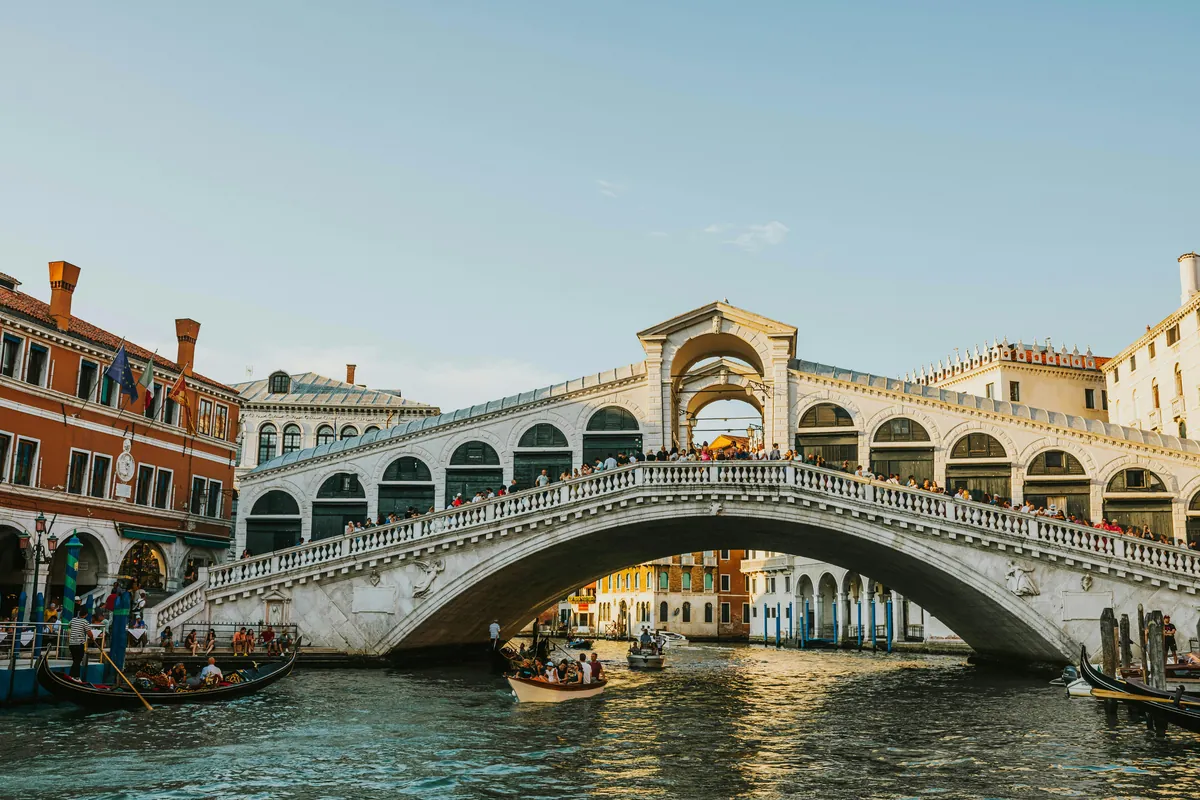
Europe is arguably one of the world’s most popular travel destinations. It boasts a rich history, world-renowned cultural landmarks, and a variety of vibrant cities. From the romantic canals of Venice to the historic streets of Prague, Europe offers countless experiences.
Additionally, Europe is known for its efficient transportation networks, including extensive railways and budget airlines, making hopping between countries both easy and affordable.
The Middle East: A Blend of Tradition and Innovation
The Middle East offers travelers a unique combination of ancient histories and ultra-modern cities. Countries like the United Arab Emirates, Saudi Arabia, and Israel have developed rapidly, boasting luxurious hotels, innovative architecture, and bustling markets.
However, travelers should pay attention to local customs and regional differences when visiting Middle Eastern countries, as cultural norms can vary widely compared to Western countries.
Africa: Untamed Wilderness and Cultural Richness
Africa is famed for its vast natural landscapes, wildlife safaris, and diverse indigenous cultures. From the pyramids of Egypt to the savannas of Kenya and South Africa’s vibrant cities, the continent is a treasure trove for adventurous travelers.
Though infrastructure can be more limited than in Europe or parts of the Middle East, many countries in Africa are increasingly welcoming international visitors with improved services and facilities.
Why Understanding EMEA Markets Matters for Travelers
Traveling across the EMEA markets involves navigating varied customs, economic climates, and regulatory environments. Awareness of these factors can make your trip safer, more enjoyable, and more cost-effective. Wikipedia
Economic Diversity and Spending Power
EMEA markets are economically diverse. Europe’s established economies contrast with emerging markets in parts of Africa and the Middle East. Your travel budget and spending habits may need adjustment depending on the country you visit within EMEA.
For example, luxury accommodations and dining can be surprisingly affordable in some Middle Eastern cities compared to Europe’s more established tourism hubs.
Visa and Travel Regulations
Visa requirements vary widely across the EMEA markets. Some countries allow visa-free entry or visa-on-arrival for many nationalities, while others require advance applications. Understanding these regulations before you go can save time and avoid travel disruptions.
Additionally, health and safety regulations differ, with some regions requiring specific vaccinations or precautions, especially in parts of Africa.
Top Travel Experiences Across EMEA Markets
The beauty of EMEA markets lies in their diversity. Whether you seek urban adventure, historical exploration, or natural wonders, this region delivers.
Europe’s Iconic Cities and Scenic Routes
In Europe, city breaks to places like Paris, Barcelona, and Amsterdam are perennial favorites. For those who enjoy the outdoors, exploring the fjords of Norway, the beaches of Portugal, or the Alps offers breathtaking scenery.
Don’t overlook lesser-known destinations such as Slovenia’s lakes or Croatia’s Dalmatian coast, which are gaining popularity for their beauty and affordability.
Middle Eastern Wonders and Desert Adventures
Dubai’s futuristic skyline and Abu Dhabi’s luxury resorts attract millions yearly. Ancient sites such as Petra in Jordan or the historic mosques of Istanbul also contribute to the Middle East’s rich appeal.
For the adventurous, desert safaris and Bedouin-style camping offer authentic experiences blending nature and culture.
African Safaris and Cultural Journeys
African travel is synonymous with safaris, and destinations like Tanzania’s Serengeti or South Africa’s Kruger National Park are world-renowned for wildlife viewing.
Beyond safaris, exploring cities like Cape Town or Marrakech offers insight into the continent’s vibrant urban culture, art, and cuisine.
Practical Tips for Traveling in EMEA Markets
Plan Your Itinerary with Regional Differences in Mind
Because of the sheer size and diversity of the EMEA markets, try to focus on regional clusters to maximize your experience. For example, a combined trip to Spain and Morocco can offer a seamless cultural blend, while traveling between northern and southern Africa might require more planning and longer transfers.
Stay Informed About Safety and Health
Check updated travel advisories for each country you plan to visit. Keep up to date with health guidelines, especially regarding vaccinations or any ongoing regional concerns.
Respect Local Cultures and Traditions
Understanding cultural norms enhances your experience and shows respect to your hosts. For instance, dress codes are more conservative in some Middle Eastern and African countries compared to Europe.
Make Use of Technology
Mobile apps for translation, navigation, and payment can simplify your travels across EMEA markets. Many cities have digital maps and public transportation apps that ease exploration.
Conclusion: Embrace the Diversity of the EMEA Markets
The EMEA markets offer travelers unprecedented variety — from historic cities and natural landscapes to innovative urban centers. By understanding the nuances of each region, you can plan a trip that is enjoyable, culturally respectful, and tailored to your interests.
Whether you’re drawn by Europe’s art and architecture, the Middle East’s mix of ancient and modern, or Africa’s wild beauty, the EMEA markets hold adventures waiting to be discovered.
FAQ
What does EMEA stand for in travel?
EMEA stands for Europe, Middle East, and Africa. It is a geographical grouping often referred to in business and travel to describe this broad and diverse region. Exploring Alar Stock: A Unique Travel Opportunity for Adventure Seekers
Are the EMEA markets safe for tourists?
Safety varies by country within the EMEA markets. It is important to research specific destinations, follow travel advisories, and take common-sense precautions to ensure a safe trip.
Do I need visas to travel across the EMEA markets?
Visa requirements differ across countries in the EMEA region. Some countries offer visa-free entry or visas on arrival for certain nationalities, while others require advance applications. Always check the visa rules before traveling.
What are some must-visit destinations in the EMEA markets?
Popular destinations include European cities like Paris and Rome, Middle Eastern cities such as Dubai and Istanbul, and African safari hotspots like Kenya and South Africa’s Kruger National Park.
How can I best prepare for cultural differences in the emea markets?
Research local customs, dress codes, and etiquette before your trip. Being respectful and open-minded when interacting with locals can greatly enhance your travel experience.