In the rapidly evolving landscape of politics, new ideas and concepts emerge that challenge traditional thinking. One such idea gaining attention is the “dream exchange.” Far from a simple notion, dream exchange represents a symbolic and practical framework to understand how societies share aspirations and negotiate their futures.
Why does this concept matter? Politics is ultimately about the hopes and ambitions of citizens. When communities and nations engage in a dream exchange, they move beyond conflict and competition toward collaboration. This idea could redefine diplomacy, social movements, and policymaking in unprecedented ways.
Understanding the dream exchange can help citizens, leaders, and analysts better navigate the complex tapestry of modern governance and international relations. Let’s explore what dream exchange means, its political implications, and how it is influencing global conversations today.
What Is Dream Exchange?
Defining the Concept
Dream exchange can be understood as an interactive process where individuals, communities, or states share their visions and aspirations. It involves openly communicating hopes, goals, and ideals to foster mutual understanding.
In political terms, dream exchange transcends mere negotiation of interests. It is about empathetic engagement that allows diverse groups to align their visions and create joint pathways forward. This exchange can happen through dialogue, cultural diplomacy, or collaborative policymaking.
Origins and Evolution
The term dream exchange has roots in social psychology and international relations theory but has recently found a unique place in political discourse. Activists and political thinkers use it to emphasize the value of empathy and shared vision in overcoming polarization.
Global events such as peace talks, climate summits, and grassroots movements often reflect dream exchanges in action, where stakeholders articulate differing yet intersecting dreams for the future.
Why Dream Exchange Matters in Politics
Bridging Divides
Politics often suffers from entrenched divisions. Dream exchange offers a pathway to bridge these gaps by encouraging dialogue focused on common aspirations rather than conflicting interests. Wikipedia
When opposing parties engage in dream exchange, they start to see each other as partners rather than adversaries, which can transform negotiations and policymaking.
Enhancing Diplomacy
International diplomacy benefits greatly from dream exchange. When countries articulate and share their national dreams—whether economic growth, environmental sustainability, or social justice—they create opportunities for collaboration.
This approach can lead to more meaningful treaties, partnerships, and global initiatives that reflect shared human values rather than zero-sum competition.
Examples of Dream Exchange in Action
Climate Change Negotiations
Climate summits showcase dream exchange where nations express their hopes for a sustainable planet and negotiate how to collectively achieve it. These discussions are more than technical talks; they are about exchanging visions of the future.
By understanding each country’s dream for environmental leadership or economic development, negotiators can craft agreements that respect diverse priorities.
Grassroots Movements and Social Change
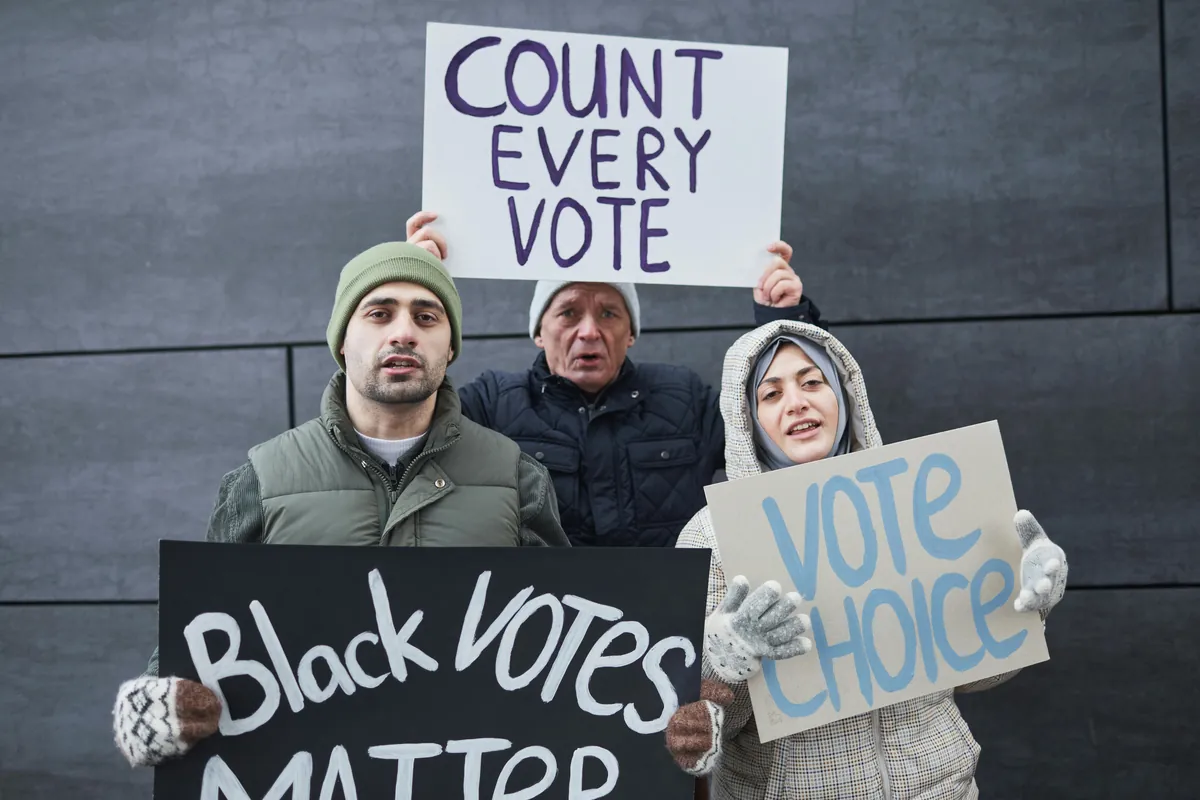
Social movements leverage dream exchange by sharing the aspirations of marginalized communities with broader society. This process helps elevate voices and promotes inclusive political change.
For instance, movements advocating for racial justice or gender equality often frame their demands as part of a shared dream for a fairer society, inviting wider participation.
Challenges and Criticisms
Idealism Versus Realpolitik
Critics argue that dream exchange may be too idealistic for the hard realities of politics, where power dynamics and pragmatic interests dominate.
While the concept emphasizes empathy and shared vision, it can struggle in arenas defined by strategic competition and geopolitical rivalry.
Communication Barriers
Effective dream exchange requires open channels of communication and trust, which are not always present in political conflicts.
Misunderstandings and misinformation can derail efforts to share and align aspirations, limiting the potential impact of dream exchange.
The Future of Dream Exchange in Political Discourse
Integrating Dream Exchange into Policy Development
Policymakers are beginning to recognize that integrating dream exchange into decision-making processes leads to more inclusive and sustainable outcomes.
This can involve participatory governance models where citizens’ visions are actively solicited and incorporated into policy agendas.
Technology as a Catalyst
Digital platforms enable broader and more diverse dream exchanges by connecting people across geographies. Social media, virtual forums, and AI-driven engagement tools facilitate shared vision-building at unprecedented scales.
As technology evolves, its role in amplifying and enriching dream exchanges in politics will likely grow.
Conclusion
Dream exchange is a powerful concept reshaping how political actors interact and envision the future. By focusing on shared dreams and aspirations, it encourages a more empathetic, inclusive approach to solving complex issues.
While challenges remain, incorporating dream exchange into political dialogue offers a promising path toward more harmonious and effective governance, both locally and globally.
FAQ
What exactly is a dream exchange in politics?
A dream exchange in politics refers to the sharing and negotiation of hopes, visions, and aspirations among individuals, communities, or countries to foster mutual understanding and cooperation.
How can dream exchange improve international relations?
By focusing on shared goals and values rather than competition, dream exchange helps countries build trust and collaborate on common challenges like climate change or security.
Are there any examples of dream exchange in recent political events?
Yes, climate change summits and social justice movements often involve dream exchanges where participants articulate and align their visions for the future.
What challenges does dream exchange face in politics?
Challenges include political realism, power struggles, communication barriers, and lack of trust, which can hinder honest sharing and cooperation.
Is dream exchange applicable to local politics?
Absolutely. Local governance can benefit from dream exchange by involving community members in shaping policies that reflect their collective aspirations.